
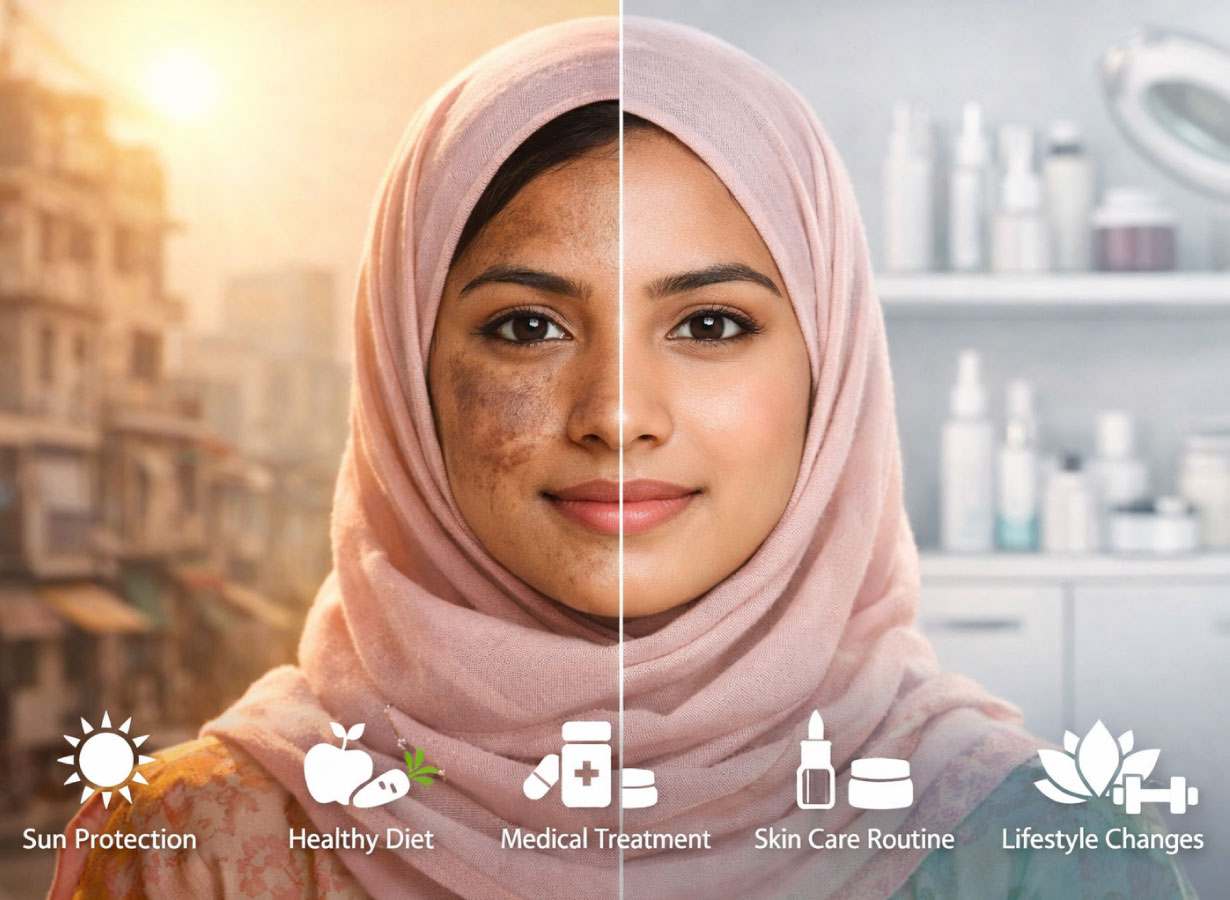
Nowadays, Melasma is a common but frustrating skin problem that causes brown or grayish-brown patches on the face. On the cheeks, forehead, nose, upper lip, or chin, these patches usually appear. In Bangladesh, melasma is very common due to strong sunlight, humidity, hormonal changes, and daily habits.
Although melasma does not harm physical health, it often affects confidence and self-esteem. The good news is that with the right care, consistency, and medical guidance, melasma can be controlled and significantly improved.
We will explain what causes melasma and share five proven, effective ways to manage it safely.
What Is Melasma?
Melasma develops when melanocytes produce excess pigment in response to triggers such as ultraviolet rays and hormonal changes. Identifying the melasma causes helps prevent progression and recurrence.
Common triggers include:
- Chronic sun exposure
- Pregnancy and hormonal alterations
- Oral contraceptive pills
- Thyroid disorders and PCOS
- Genetic susceptibility
Melasma most often affects the face, making melasma on face a primary cosmetic concern for patients.
Necessities to prevent melasma
1. Daily Sun Protection Is Mandatory
Sun exposure is the biggest trigger for melasma. Harmful UV rays stimulate melanin production, making existing patches darker and causing new ones to appear—even on cloudy days or indoors.
What You Should Do:
- Use a broad-spectrum SPF 50+ sunscreen every single day.
- Choose PA++++ protection for better UVA defense.
- Reapply every 3–4 hours if you are outdoors.
- Wear sunglasses, hats, and avoid peak sunlight when possible.

Using the best cream for melasma consistently can prevent worsening and protect your treatment results. Without sun protection, no melasma treatment will work effectively.
2. Use Proven Active Ingredients
Topical skincare plays a major role in lightening melasma patches. Certain ingredients reduce melanin production and help even out skin tone over time.
Most Effective Ingredients:
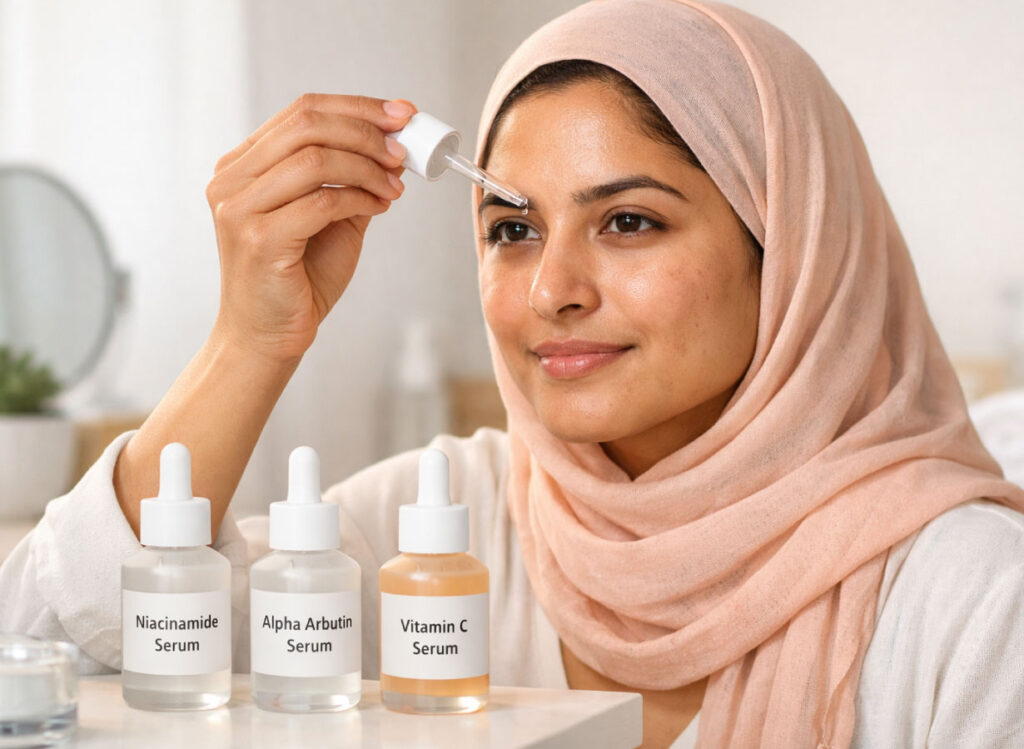
- Niacinamide – Strengthens the skin barrier and blocks pigment transfer.
- Alpha Arbutin – Safely reduces melanin formation.
- Vitamin C – Brightens skin and protects from environmental damage.
How to Use:
- Apply niacinamide or arbutin serum at night.
- Use vitamin C in the morning, followed by sunscreen.
Start with low concentrations and always patch tests.
By following a well-planned melasma skincare routine consistently, visible progress occurs within months, preparing the foundation for the benefits of the steps below.
3. Balance Hormones from Within
Hormonal imbalance is one of the major melasma causes, especially during pregnancy, birth control use, thyroid disorders, or PCOS.
Important Steps You Can Take:
- Consult a doctor if melasma started after pregnancy or pills.
- Get thyroid and hormonal tests if pigmentation persists.
- Reduce stress through yoga, meditation, or light exercise.
- Sleep 7–8 hours daily to regulate cortisol levels
When hormones stay balanced, melasma becomes easier to control and less likely to return.
4. Dermatologist-Supervised Treatments
For faster, deeper results, professional treatments can only be performed under a dermatologist’s supervision.Because home care works slowly.
Common Clinical Options:
- Chemical peels for surface pigmentation
- Microneedling to boost collagen and product absorption
- Laser treatment for melasma to target deep pigment
These treatments require multiple sessions and strict sun protection afterward. When you combine it with home care, the results will be significantly better.
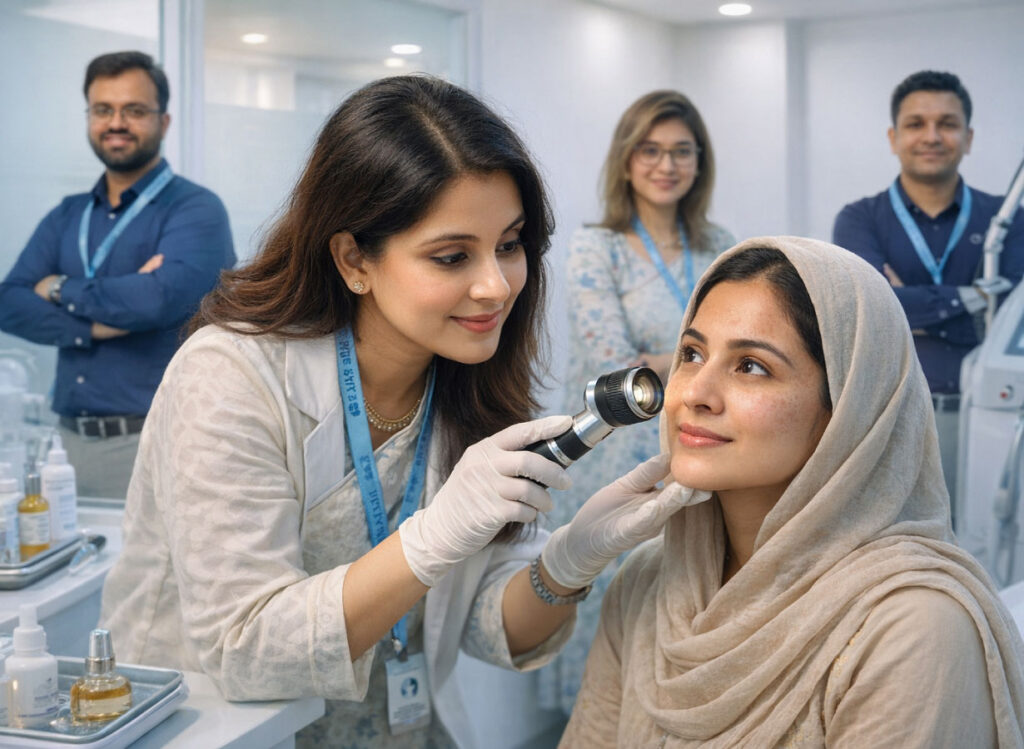
Many patients seeking Melasma treatment in Bangladesh now prefer professional skin care centers for safe and long-term improvement.
5. Improve Lifestyle for Long-Term Results
Healthy skin starts from within. Lifestyle habits directly influence melasma.
Simple but Powerful Changes:
- Must drink 2–3 liters of water daily
- Eat antioxidant-rich foods (berries, spinach, tomatoes)
- Quit smoking and reduce caffeine.
- Avoid harsh scrubs, excessive makeup, and heat exposure.
- Manage stress and keep regular sleep.
A healthy lifestyle supports skin repair and prevents pigment from returning.
Daily Routine for Melasma-Prone Skin
Follow a gentle daily routine with mild cleansing, antioxidant serum, deep hydration, and broad-spectrum sunscreen every morning. Consistency, sun protection, and avoiding harsh products help keep melasma under control and prevent dark patches from worsening.
Morning routine:
- Gentle cleanser
- Vitamin C serum
- Moisturizer
- SPF 50+ sunscreen
Night routine:
- Cleanser (double cleanse if wearing makeup)
- Niacinamide or arbutin serum
- Moisturizer
Add new products slowly and stay consistent. Most people see improvement in 3–6 months.
Important Warnings
- Never use steroid or hydroquinone creams without a prescription.
- Avoid home remedies like lemon or harsh exfoliation.
- Pregnant or breastfeeding women must have to consult a doctor.
- If irritation, redness, or sudden darkening occurs, please stop and seek medical advice.
Final Thoughts
Melasma needs patience and a caring routine. By practicing daily sun protection, embracing targeted skincare, balancing hormones, seeking expert advice when needed, and supporting your body with a healthy lifestyle, you are on your way to brighter, clearer skin.
If you are searching for reliable Melasma treatment in Bangladesh, contact a qualified dermatologist who can support you on your journey. Remember, with steady care and hope, achieving clearer, more radiant skin is possible.